

 Meta
 Messenger
 Instagram
 Email
 WhatsApp
 Website
 OpenAI / AI
 Call Management
 File Manager

Branches need enough shared structure to work together and enough local context to handle their own priorities. Begin with the information every location needs to understand, then decide which conversations require a meeting.
Agree on shared stage definitions
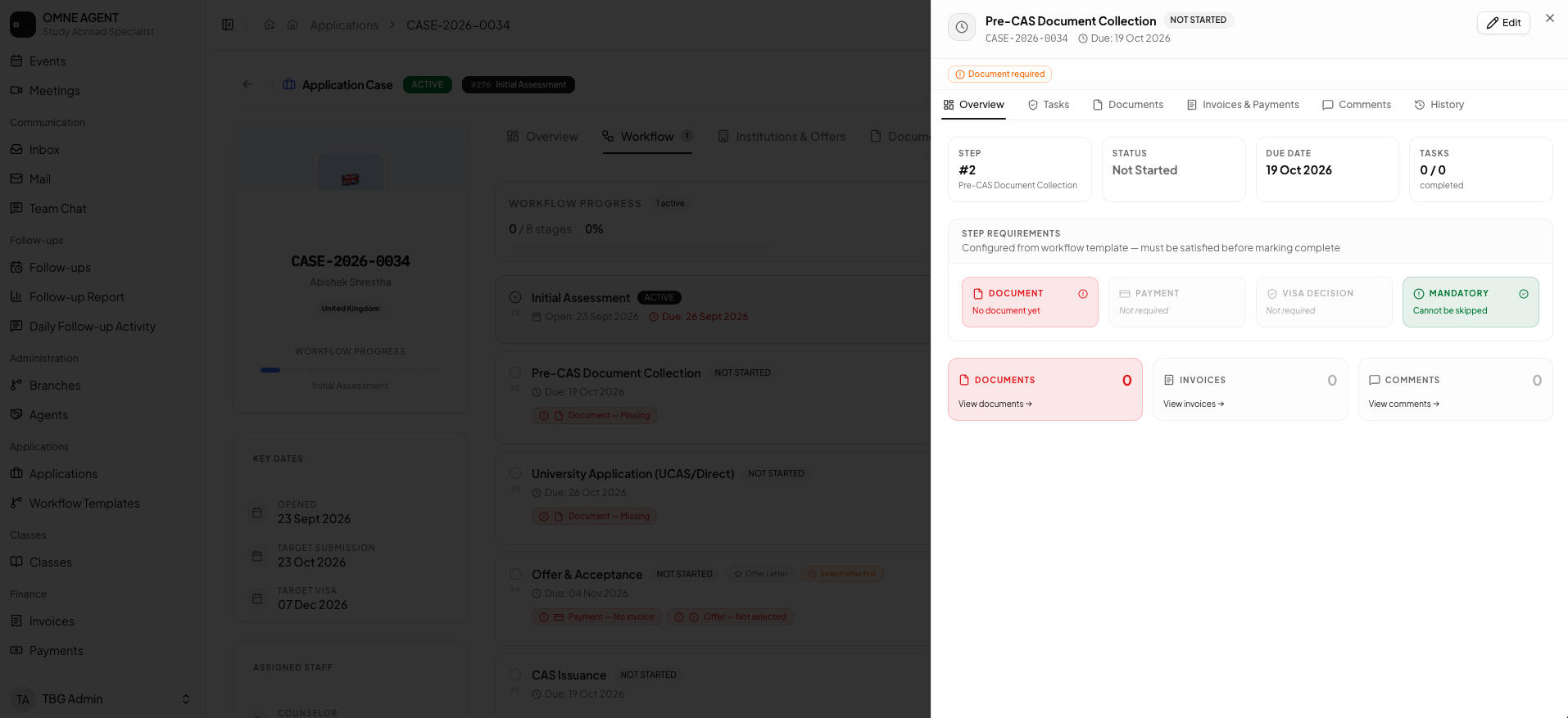
A pipeline stage should mean the same thing in every branch. Write a short definition of when a record enters and leaves each stage. Use examples from daily work to find differences in interpretation, especially around qualification, document readiness and application handovers.
Keep local ownership visible
Assign responsibilities at branch level while retaining the management view needed for coordination. When a student or task moves between locations, name the receiving owner and record any outstanding actions. Avoid treating a change of branch as a complete handover on its own.
Use reviews to make decisions
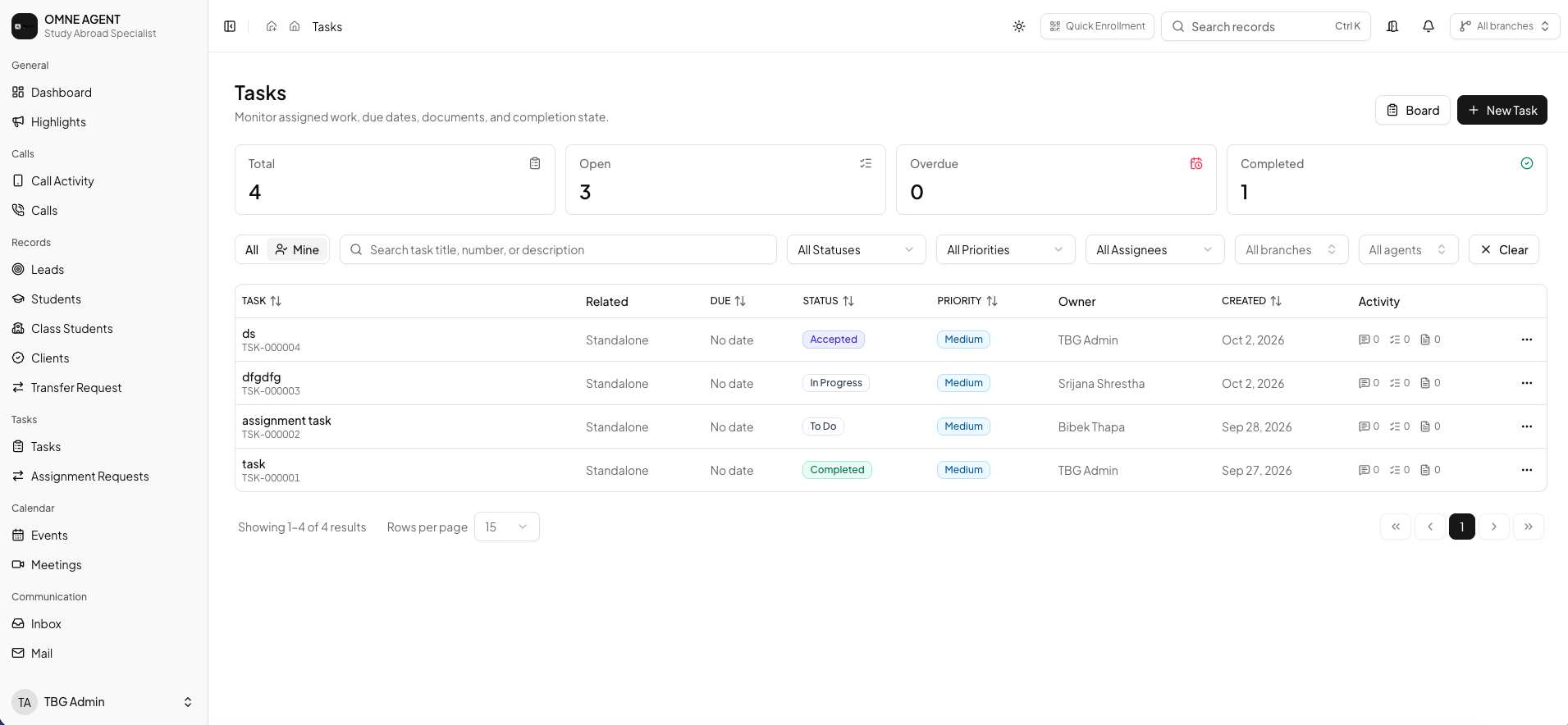
Prepare a short review around exceptions: unassigned work, overdue actions and handovers waiting for a response. Ask each branch to bring the context behind those cases. End with decisions and owners, then record them where the operational work is already tracked.
A practical checklist
- Define common pipeline stages.
- Keep local responsibilities visible.
- Record context for cross-branch handovers.
- Use review meetings to resolve specific pending work.