

 Meta
 Messenger
 Instagram
 Email
 WhatsApp
 Website
 OpenAI / AI
 Call Management
 File Manager
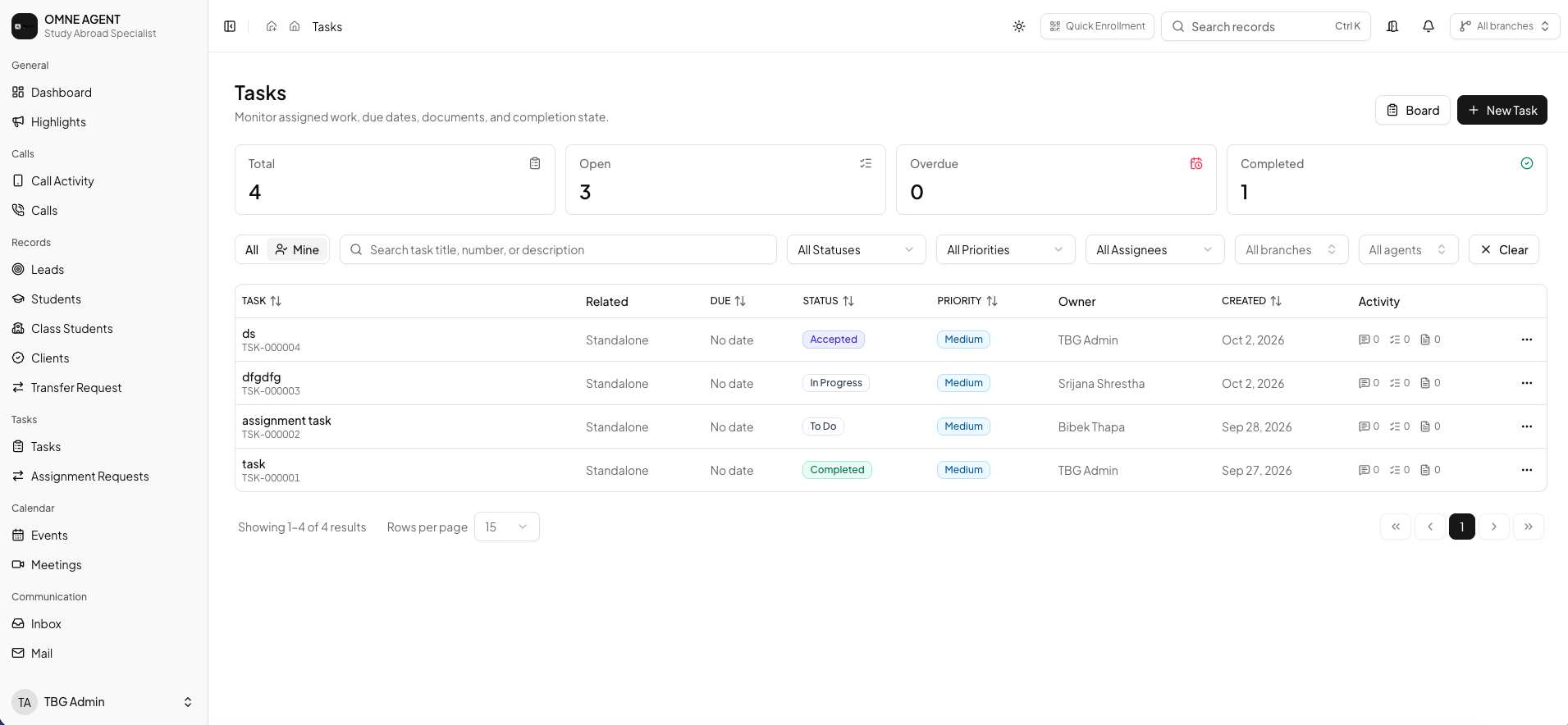
Automation is easier to review when the underlying process is already clear. Choose a small recurring coordination task and define what a successful result should look like before configuring a rule.
Describe the task in plain language
Write down what starts the task, what action should follow and who remains responsible. For example, a team may want a reminder when a required follow-up is due. Confirm which events and actions your system supports before designing the process around a capability it may not have.
Plan for the exceptions
Consider missing information, changes in ownership and events that occur more than once. Decide who should review a case that does not fit the rule. A reminder is only useful when the receiving person has enough context and authority to act on it.
Review a small rollout
Start with a limited workflow and check its results with the people receiving the tasks or notifications. Review whether the timing, recipients and message are useful. Adjust the rule before expanding it, and keep a clear owner for reviewing future changes.
A practical checklist
- Define a supported trigger and action.
- Name the person responsible for the result.
- Agree on how exceptions will be handled.
- Review a limited rollout before expanding it.